

You know that day when your ring feels tight, your jeans only button with effort and, at night, your socks leave a deep groove around your ankle? More often than not, the culprit is water retention, and it tends to show up exactly in the busiest weeks, when we eat whatever’s available, sit for hours and only remember the water bottle once we’re already thirsty.
Water retention is a buildup of fluid in the body’s tissues, which shows up as swelling, mainly in the feet, ankles, legs, hands and belly. The most common everyday causes are too much salt, staying in the same position for too long, heat, hormonal changes and some medicines. Drinking water throughout the day helps because it keeps your kidneys working, and they’re what get rid of excess sodium. But water alone doesn’t fix it: it works together with less salt and more movement.
What water retention is and how to tell if you have it
When more fluid leaves the blood vessels than the body can pull back, it builds up in the tissues, and that’s when swelling appears. The MSD Manual describes exactly this picture: the fluid is mostly water, and swelling usually shows up in the feet and lower legs, with puffy eyes in the morning and tight shoes by the end of the day.
In practice, these are the most common signs:
- A deep mark from your socks, your waistband or your watch when you take them off at night.
- A ring that slides on in the morning and won’t come off in the afternoon.
- Heavy-feeling legs and tighter, shinier skin around the ankle.
A simple test at home helps: press your finger into your shin or the top of your foot for a few seconds. If it leaves a small dent that takes a while to fill back in, there’s fluid built up there. But the test doesn’t tell you why, and the reason is what decides what to do.
The most common everyday causes
Most of the time, swelling comes from very ordinary habits and situations, which is why you can do something about it at home. The UK’s National Health Service (NHS) puts staying in the same position for too long, standing or sitting, and eating too much salty food at the top of the list, followed by pregnancy and some medicines.
Too much salt, especially the kind you don’t see
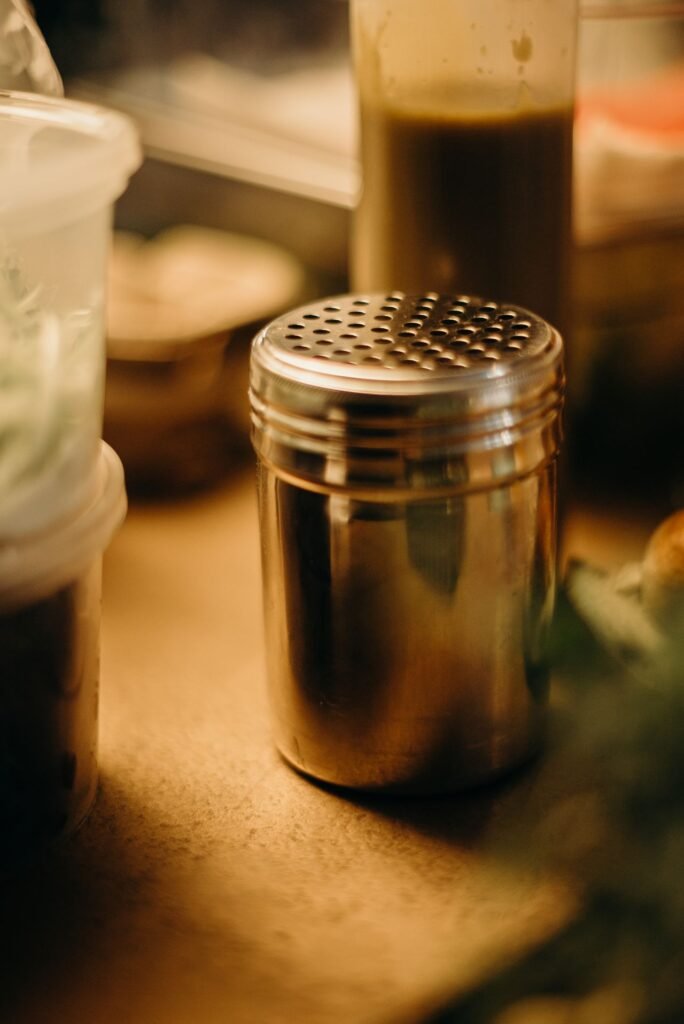
Salt is made of sodium, and sodium holds on to water in the body. The more sodium in circulation, the more water your body keeps to stay in balance, and the result shows up in your ankles. The World Health Organization recommends that adults have less than 2 g of sodium a day, which equals less than 5 g of salt, a little under a teaspoon. Most people eat well above that: in Brazil, for example, the Ministry of Health (in Portuguese) estimates an average of 4.7 g of sodium a day, more than double the recommendation, and much of it comes from processed and ultra-processed foods, on top of the salt we add while cooking. In the United States, the FDA says Americans eat about 3,400 mg of sodium a day, against a recommended limit of less than 2,300 mg, and that over 70% of that sodium comes from packaged and prepared foods rather than from table salt added while cooking or eating.
Notice that the villain is usually less the salt shaker and more the instant noodles, the bouillon cubes and the deli meat in the sandwich, which together push you past the limit without you noticing.
Hours without moving, heat and tight clothes
Anyone who spends the day sitting or standing knows late-afternoon swelling well. It happens because your calf muscle works like a pump that pushes blood from your legs back to your heart, and it only works when you move. Heat usually makes it worse, and tight clothes or shoes get in the way even more.
Hormones, pregnancy and medicines
Many women swell in the days before their period, and pregnancy also often brings swelling in the feet and ankles, especially near the end. Some medicines are on the list too, such as certain blood pressure drugs, birth control pills, hormone therapy, antidepressants, steroids and anti-inflammatories, according to the NHS and the MSD Manual. If the swelling started after a new medicine, tell the doctor who prescribed it, but don’t stop taking it on your own.
When the cause is an illness
Swelling that spreads across the body can come from heart, kidney, liver or thyroid problems, and swelling in just one leg may be a blood clot.
Why drinking water can help with water retention
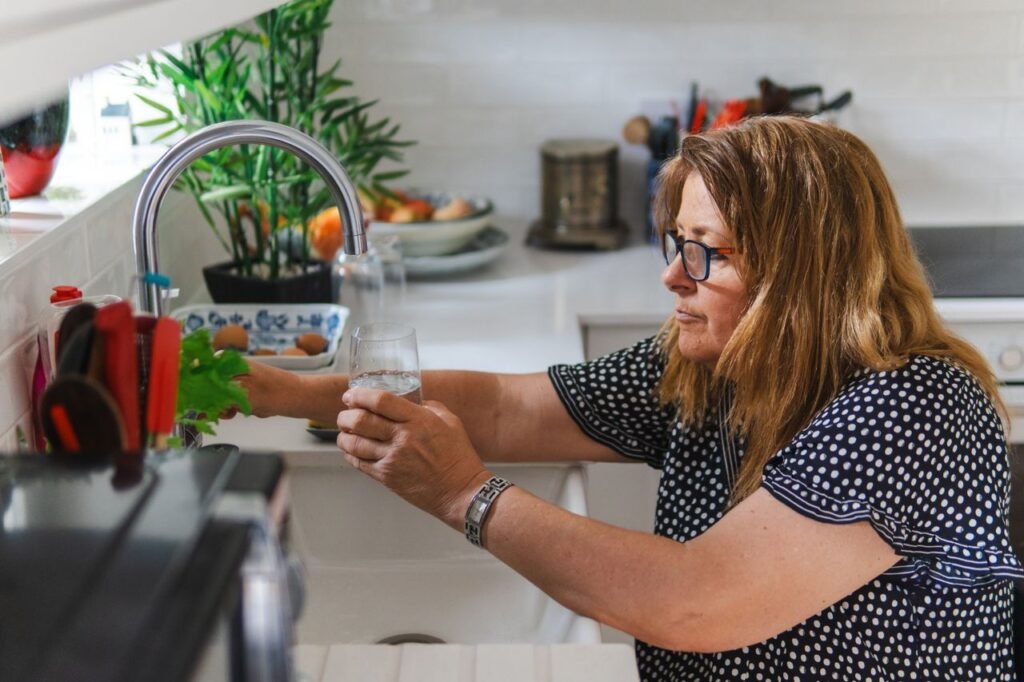
It sounds contradictory, right? You’re full of water and the advice is to drink more water. But it makes sense once we remember what removes excess sodium from the body: the kidneys, through urine. They need fluid to work well, so when you drink too little, you’re not “saving on swelling”, you’re just giving your cleanup system less to work with.
That’s why cutting back on water to reduce swelling is the wrong approach.
How much should you drink? There’s no single number that works for everyone, because it depends on the climate, your weight, your activity and your food. A practical way to keep track is to look at the color of your urine: pale yellow usually means good hydration, and dark yellow calls for more water. There’s one important exception: people with heart failure or kidney disease are sometimes told by their doctor to limit fluids, and in that case, the doctor’s advice comes first.
How to reduce swelling: a simple everyday routine
This is the order I’d follow:
- Swap one salty ultra-processed food a day. It could be the bouillon cube for sautéed garlic and onion, or the deli meat in your sandwich for eggs or shredded chicken. One a day already takes a lot of sodium out of your week.
- Spread your water through the day. Keep a water bottle on your desk and take it with you so you can sip throughout the day. That’s better than trying to drink it all at night, which only leads to bathroom trips in the early hours.
- Get up every hour. Two or three minutes walking around the house or office is enough to get your calf muscles working. While sitting, rolling your ankles and rising up onto your toes also helps.
- Legs up at the end of the day. The NHS recommends raising your legs or the swollen area on pillows or a chair whenever you can. You can do it while checking homework or watching a show.
- A gentle walk. It’s also on the NHS list for improving circulation. It doesn’t have to be a workout: walking to pick the kids up from school already counts.
- Roomy shoes and loose clothes. Low heels, soft soles, socks without a tight band. It seems like a detail, but it makes a difference by late afternoon.
If your issue is spending a lot of time sitting, the post on breaking a sedentary lifestyle without a gym has movement ideas that fit into a routine with kids.
How to spot hidden sodium on the label
Always check the nutrition facts. You already know the WHO’s limit is 2 g (2,000 mg) of sodium a day: if a single food has 500 mg, that’s already a quarter of that limit. On U.S. labels, the FDA suggests a simple rule of thumb for the % Daily Value column: 5% or less per serving is low, and 20% or more is high. It’s worth comparing two similar products by the sodium line.
With kids and little time: where salt hides in your routine
Parents of young kids are on the go all day and, even so, spend many hours sitting in the car, at work and on the couch once everyone is asleep. And on the busiest days, dinner turns into pizza, takeout or instant noodles, which happen to be the saltiest options.
What usually works is tackling the most critical moment of the week, not trying to change everything. If the problem is rushed dinners, having two or three quick homemade recipes already cuts a lot of sodium, and the quick and easy dinner post has seven ideas that come together fast. If the problem is the lunch box, swap bagged chips for fruit, homemade popcorn with a little salt or a sandwich with a homemade filling.
Water fits into the same package: a bottle for you and for the kids heading out with the backpacks, and a pitcher on the table at mealtimes. If you live in Brazil and wonder whether tap water is safe, I covered it in detail in can you drink tap water in Brazil.
Keeping the swelling from coming back next week
What helps make it stick is turning the swaps into household defaults: seasoning with garlic, onion, fresh herbs and lemon out of habit, keeping the water bottle in the same spot and making yourself a fixed break, like getting up every time a meeting ends.
It’s also worth paying attention to your cycle. If you notice you always swell in the days before your period, you can go easier on the salt that week instead of getting a fright from the scale.
When swelling calls for a doctor
Most of this swelling is temporary, but some signs change everything. The MSD Manual advises seeking care right away when swelling starts suddenly, appears in only one leg, or comes with significant pain, shortness of breath or coughing up blood. The NHS adds swelling that’s red or hot to the touch, fever or chills, and swollen feet or legs in people with diabetes.
Pregnant women and people who already have heart, kidney or liver disease should talk to their doctor about any new swelling. And if it hasn’t improved after a few days of home care, or has gotten worse, it’s time to book an appointment with your primary care doctor.
Still have questions?
Does diuretic tea fix the swelling?
Unsweetened tea counts as fluid and helps you drink more, but it doesn’t fix the cause. Pregnant women and people on long-term medication should ask their doctor before drinking tea in large amounts.
Can drinking a lot of water cause swelling?
In healthy people, extra water leaves the body as urine. It’s different for people with heart failure or kidney disease, who may be told to limit fluids, so they should follow what their doctor has advised.
Does water retention make you gain weight?
It raises the number on the scale, but the extra weight is water, not fat, which is why it changes from one day to the next.
Can I take diuretic pills on my own?
It’s not a good idea. Diuretics are medicines that affect the body’s salts and need a prescription and follow-up, and they can also mask the cause of the swelling, which may be something that needs treatment.
To wrap up
Everyday swelling usually comes from hidden salt, hours without moving, heat and hormones. Drinking water helps because it keeps your kidneys flushing out sodium, but the results come from the combination: fewer ultra-processed foods, water spread through the day, breaks to move and legs up. Sudden swelling, swelling on one side only or swelling with shortness of breath is a job for a doctor.
Informational content. It does not replace advice from a health professional.