
Picture that Tuesday dinner when the onion is already browning in the pan and only then you find out the garlic is gone, the meat is still frozen and someone is calling you to help with homework. Most of the time the problem is less about the recipe and more about the order we do things in, and that is exactly what mise en place solves.
Mise en place is a French expression that means “putting in place”. In the kitchen, it means reading the recipe, gathering ingredients and tools, and having everything washed, cut and measured before you turn on the stove. At home, it takes the rush out of cooking, because once the pan is hot you only need to add what is already ready.
What it is and why chefs swear by it
The expression (pronounced roughly “meez ahn plahs”) is the name professional cooks give to the preparation that comes before cooking. The Michelin Guide (in Portuguese) sums up the idea as gathering, portioning and processing, that is, slicing, chopping and grating, all the ingredients for one or several dishes before actually starting the recipe. The English edition adds that it is just as valuable at home, where bowls, ramekins or muffin tins will do.
The concept goes beyond having everything chopped. In an interview with the Brazilian Bares & Restaurantes website (in Portuguese), cook Bruno Gelape points out that sharpening the knife, setting out the tools, sanitizing the counter and preparing a spot for the trash are also part of it. At home, a clean cutting board, a dry towel within reach and the trash can nearby count as much as the chopped onion.
Why it is worth it in a home kitchen
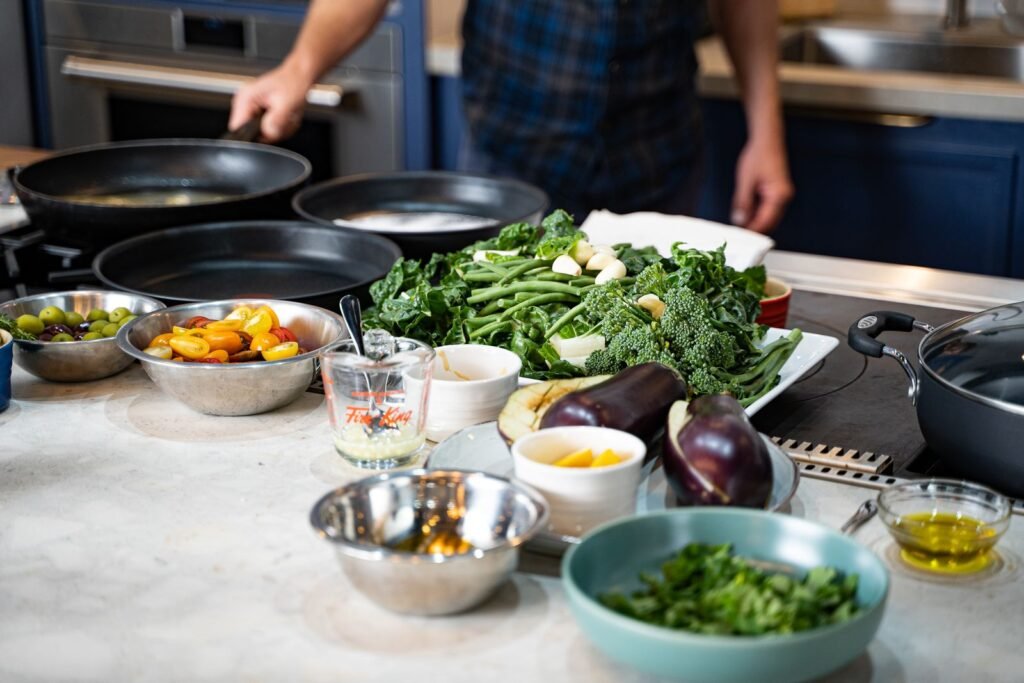
Many people think this kind of organization is just for restaurants. The Michelin Guide disagrees: when you start a recipe without organizing anything, thinking you will save time, you may realize too late that an ingredient is missing or that the butter needed to be at room temperature.
With everything set out first, surprises show up before the stove is on, while you can still change the menu. You do one thing at a time, which cuts down on mistakes like forgetting the salt or seasoning the same pot twice. And since the work is staggered, you can wash and put things away as you go, so there is much less left in the sink.
How to do it in 5 steps
1. Read the whole recipe first
By reading to the end, you find out whether an ingredient needs to come out of the fridge early, whether the oven needs preheating and whether a step calls for waiting time, like a marinade.
2. Check your ingredients and tools
With the recipe in mind, open the pantry and the fridge and check that you have everything, in the right amount and within the expiration date. Then set out what you will work with: the cutting board, a sharp knife, a pan of the right size and the grater. A tidy pantry makes this quicker, and the guide on how to organize your pantry helps.
3. Wash, cut and measure
Wash your hands, clean whatever needs cleaning and cut each ingredient the way the recipe asks, for example finely chopped onion for the sauce and diced carrot for the stir-fry. Seasonings and liquids can be measured now too, because once the pan is hot nobody has time to look for the measuring spoon.
4. Arrange everything in the order you will use it
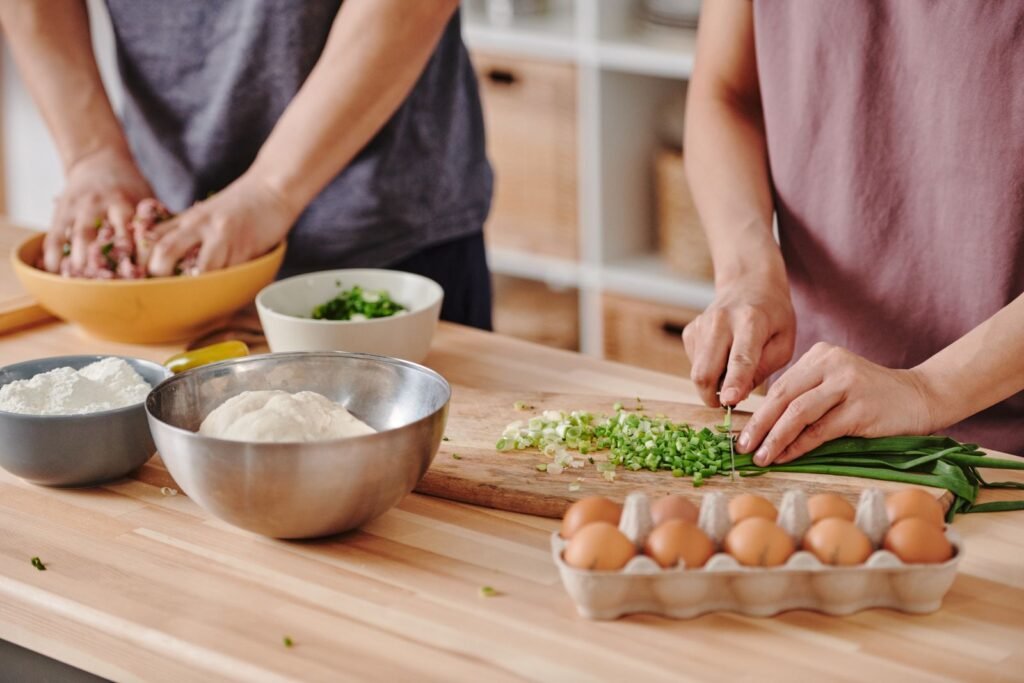
Put each ingredient in a small bowl, saucer or mug and line them up on the counter in recipe order. Anything that goes into the pan at the same time can share a container, which already saves on dishes.
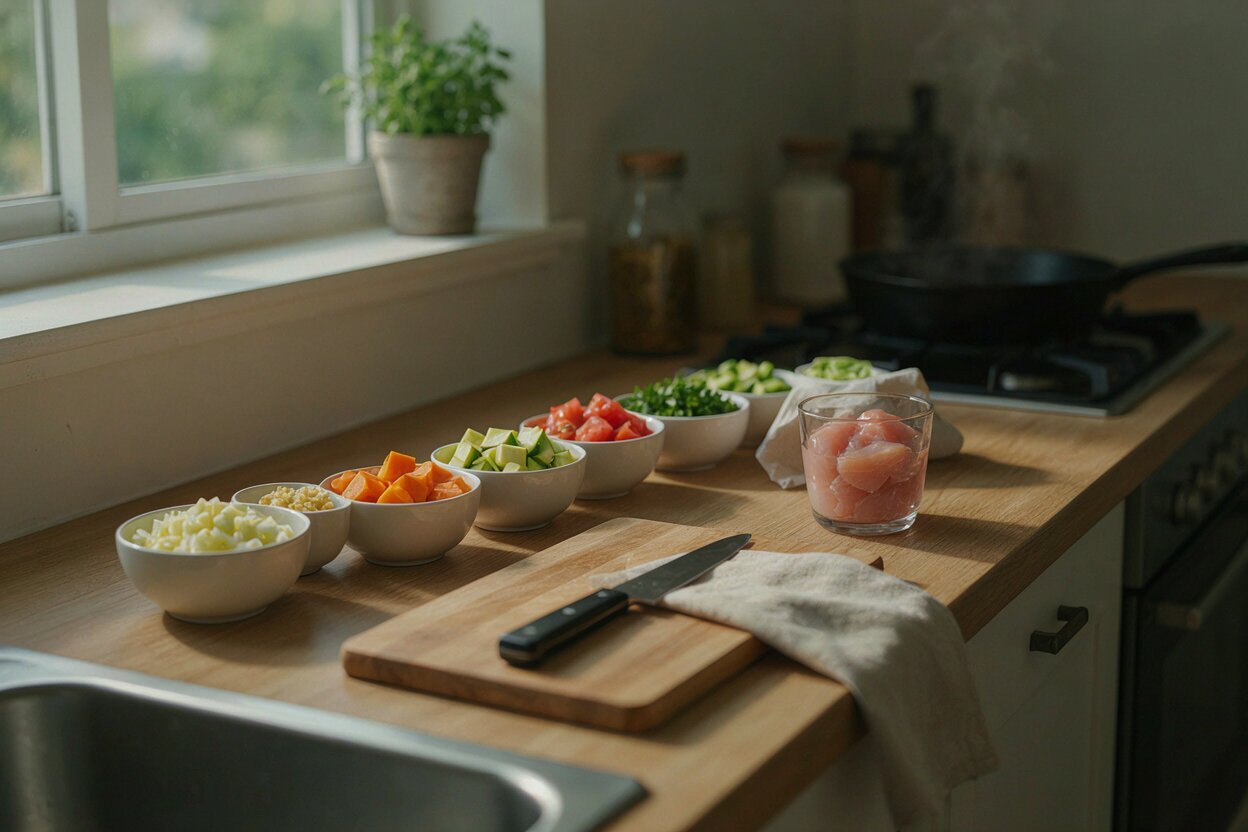
To make it more concrete, here is how a chicken and vegetable sauté would be organized:
| Container | What goes in | When it goes into the pan |
|---|---|---|
| 1 | Chopped onion and garlic | First, in hot oil |
| 2 | Diced chicken, already seasoned (stays in the fridge until needed) | Right after, to brown |
| 3 | Diced carrot and zucchini | Once the chicken is browned |
| 4 | Chopped tomato, parsley and green onion | At the end, so it doesn’t fall apart |
5. Clean as you cook
With everything in place, the cutting board and knife can go to the sink and the peels to the trash before the pan even heats up. While the sauté cooks, you can wash the bowls you have emptied, so the kitchen reaches the end of dinner almost tidy. This clean-as-you-go habit is the same one behind the routine for an organized and clean house with kids.
Food safety: what can stay out of the fridge
One precaution matters a lot in hot weather: leaving everything set out on the counter must not turn into forgetting perishable food there. The good practices booklet from Anvisa (in Portuguese), Brazil’s health regulatory agency, explains that harmful microbes multiply between 5 °C and 60 °C (41 °F and 140 °F), the so-called danger zone, and that they thrive precisely at summer temperatures. The USDA gives the range as 40 °F to 140 °F, where bacteria can double in number in as little as 20 minutes.
So, in practice, this is what I would do:
- Meat, chicken, fish, eggs, milk and cheese can be cut and portioned ahead of time, but the container goes back into the fridge while you finish the rest and only comes out when it is time to go into the pan.
- Never thaw on the counter. Anvisa recommends thawing in the fridge or, if you are cooking right away, in the microwave, so the meat for dinner needs to come out of the freezer the night before. The USDA agrees that perishable food should never be thawed on the counter and lists the refrigerator, cold water and the microwave as the safe ways.
- Vegetables and fruit that will be eaten raw need to be sanitized: the booklet recommends washing them under running water, soaking them for 10 minutes in a food-safe sanitizing solution, diluted as indicated on the label, and rinsing again.
- Raw meat and salad don’t share a cutting board without a good wash in between. If you can, keep one board just for meat.
A note about chlorine (bleach): the sanitizing soak above is Brazilian advice, and in practice that solution is usually a diluted chlorine-based product. The FDA says there is no need for soap or a produce wash, and its food safety page for pregnant women says not to use soap, detergents or bleach solutions to wash produce. If you live outside Brazil, rinse produce under running water, scrub firm produce with a brush and dry it with a clean cloth or paper towel, as the FDA recommends, and skip the soak.
Dry ingredients, on the other hand, like rice, flour, sugar and ground spices, can wait on the counter without a problem.
How to adapt it when you cook with kids
Picture it: you are in the middle of cooking and someone gets hurt, fights with a sibling or needs help with homework. With everything set out, you can turn off the stove, deal with it and come back without losing track, since all that is left is putting things together.
It helps to do the prep at a calmer moment, before the kids get home from school or while they are in the bath, even if it is only the washing and cutting. Then the actual time at the stove is short, and it falls right when everyone is hungry.
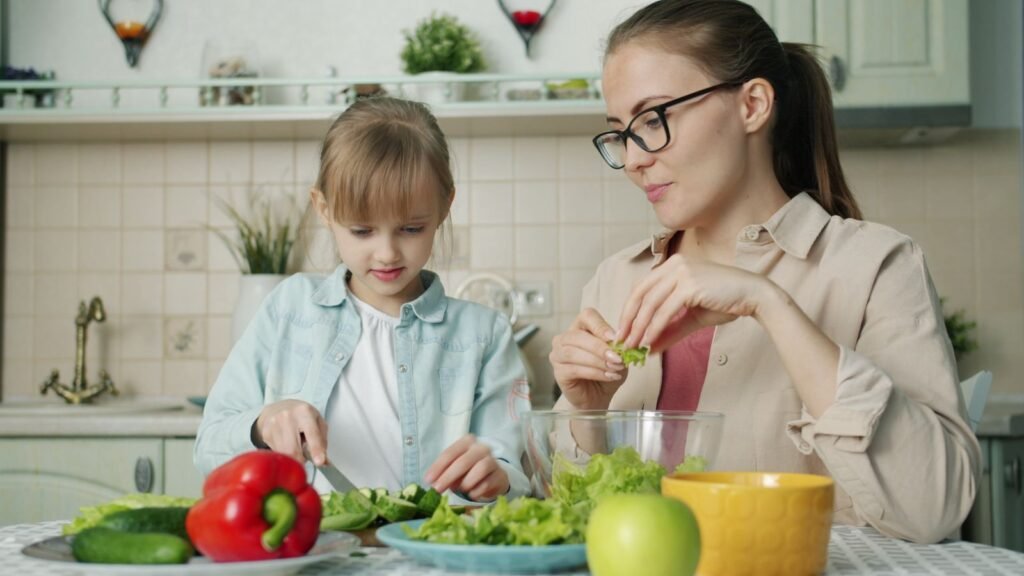
Another option is to bring the kids into the process. The Dietary Guidelines for the Brazilian Population (in Portuguese), from Brazil’s Ministry of Health, recommend sharing meal preparation tasks with the whole family, including children and teenagers, which helps little ones get to know new foods. They can wash vegetables, tear salad leaves, put ingredients into the bowls or read the recipe out loud, while the knife and the stove stay with an adult.
The same idea applied to the week
To cut down the time spent on food, the same Dietary Guidelines suggest planning your shopping, organizing the pantry and setting the week’s menu in advance.
Choose what you will eat over the next few days (the cheap weekly meal plan has a ready-made template) and get ahead on the prep for whatever holds up well, like chopped onion and garlic, diced carrot and pumpkin, blended homemade seasoning and leafy greens already washed and well dried. Everything goes into closed, labeled containers, and during the week each dinner starts with half the work done.
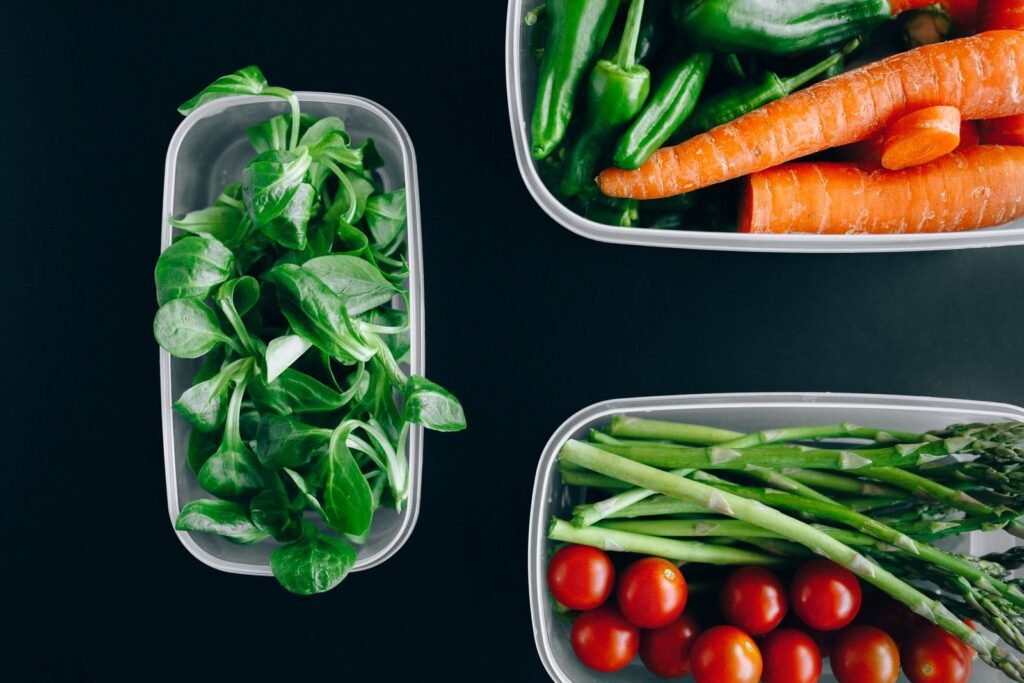
Not everything lasts for days once cut, and the guide on how to store vegetables in the fridge shows what keeps longer.
Mistakes that make it more work than help
- One little bowl for every item. Group what goes into the pan at the same time, because too many dishes will make anyone give up by the second week.
- Cutting everything too early. Bruno Gelape argues that fresh, delicate items don’t need to be ready long in advance, they just need to be within reach. Herbs and fruits that brown, like apple and avocado, are better cut close to cooking time.
- Leaving the cleanup for the end. Then the advantage of staggered prep disappears and the sink turns into a mountain all the same.
Still have questions?
Is mise en place the same as meal prep?
They are related, but different. It organizes the ingredients before a recipe, while meal prep usually means cooking whole meals ahead and storing them in portions. Weekly prep sits halfway between the two.
Can you set everything out the night before?
Yes, for most ingredients. Onion, carrot and seasonings keep well in a closed container in the fridge, and so do cut and seasoned meats, as long as they stay refrigerated the whole time.
Does mise en place work for baking a cake?
It does, and it helps a lot, because in baking the measurements and the order make a difference to the result. The same goes for bread machine recipes, where the order of the ingredients decides whether the loaf rises.
To wrap up
Mise en place means having everything read, set out, washed and cut before you turn on the stove. Start with the recipes you make most often, keep perishables in the fridge until you need them and ask the family to help, and dinner will be quicker and the sink emptier.
Informational content. It does not replace advice from a health or nutrition professional.